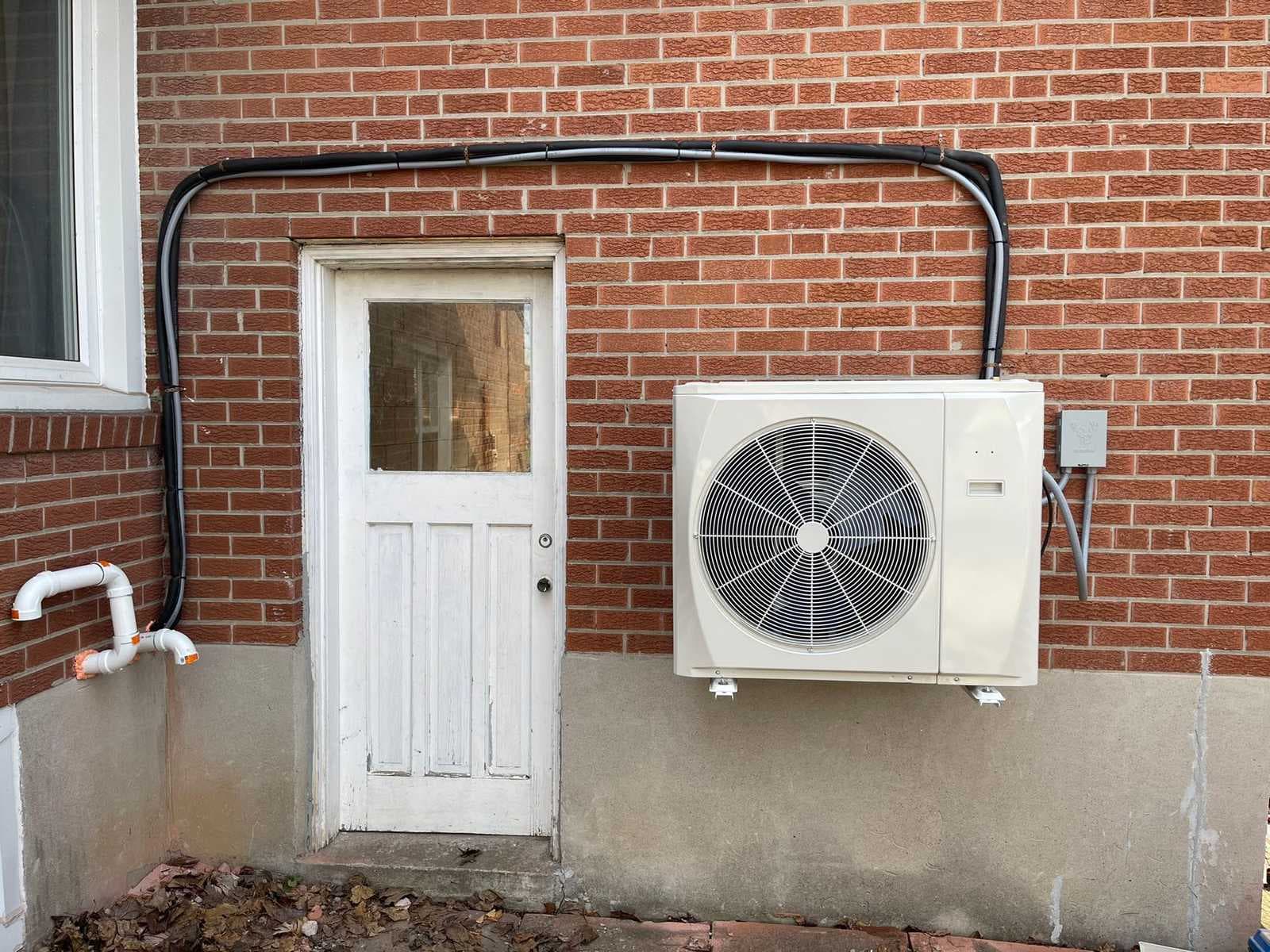
heat pumps are becoming a very popular and efficient option for home climate control.
A heat pump is an all-in-one system that provides both heating and cooling for your home.Unlike a furnace, which burns fuel to generate heat, a heat pump works by simply transferring heat from one place to another.
How it Works (The Refrigeration Cycle)
A heat pump uses a refrigerant and the refrigeration cycle (similar to a refrigerator or air conditioner) to move thermal energy.This is achieved using four main components: an evaporator, compressor, condenser, and expansion valve.
In Summer (Cooling Mode): It acts like an air conditioner, extracting heat from the cool indoor air and transferring it outside.
In Winter (Heating Mode): It reverses the process, extracting heat from the cold outdoor air (even sub-freezing air contains heat energy) and transferring it inside to warm your home.This process is powered by electricity.
Because it moves heat instead of creating it, a heat pump can be incredibly efficient, delivering much more energy output (in the form of heat or cool air) than the electrical energy it consumes.
Heat Pump vs. Traditional HVAC Systems
A traditional HVAC setup typically uses two separate systems: a furnace (which burns natural gas, oil, or uses electric resistance) for heating, and a central air conditioner (AC) for cooling.
Here is a comparison of key factors between a heat pump and a traditional system:
Feature | Heat Pump | Traditional HVAC (Furnace + AC) |
|---|---|---|
Functionality | Provides both Heating & Cooling in one unit. | Requires two separate systems (furnace for heat, AC for cool). |
Heating Method | Transfers heat (highly efficient, uses electricity). | Generates heat through combustion (gas/oil) or resistance (electric). |
Energy Efficiency | Very High (300%-400% efficiency is common). Lower long-term operating costs. | Lower (Gas furnaces are typically 80%-98% AFUE efficient). Higher long-term fuel costs. |
Environmental Impact | Lower Carbon Footprint (no direct combustion emissions). | Higher Emissions (from burning fossil fuels like gas/oil). |
Upfront Cost | Generally Higher for the equipment and installation. | Generally Lower if replacing only one component, but comparable if replacing both. |
Cold Climate Performance | Modern units (Cold-Climate Heat Pumps) are effective in low temperatures, but efficiency can drop in extreme cold. Often paired with a backup furnace (Dual-Fuel). | Excellent and reliable heating even in the coldest weather. |
Maintenance | Bi-annual service is often recommended since it runs year-round. | Separate seasonal maintenance for the furnace and AC. |